← All projects Project · Student project

Student remote-control car: producing parts with 3D printing

Osmoz 3D supports students in building a remote-control racing car: adapting the models, technical advice and PETG 3D printing.

  • Student project
  • Prototype
  • PETG
  • May 2025
Student remote-control car: producing parts with 3D printing
// ClientStudents
// SectorStudent project
// TechnologyFDM 3D printing · PETG
// CompletedMay 2025

Client's need

1

Request — Building a racing car

As part of a school project, a group of students had to design and build a remote-control car intended to take part in a race.

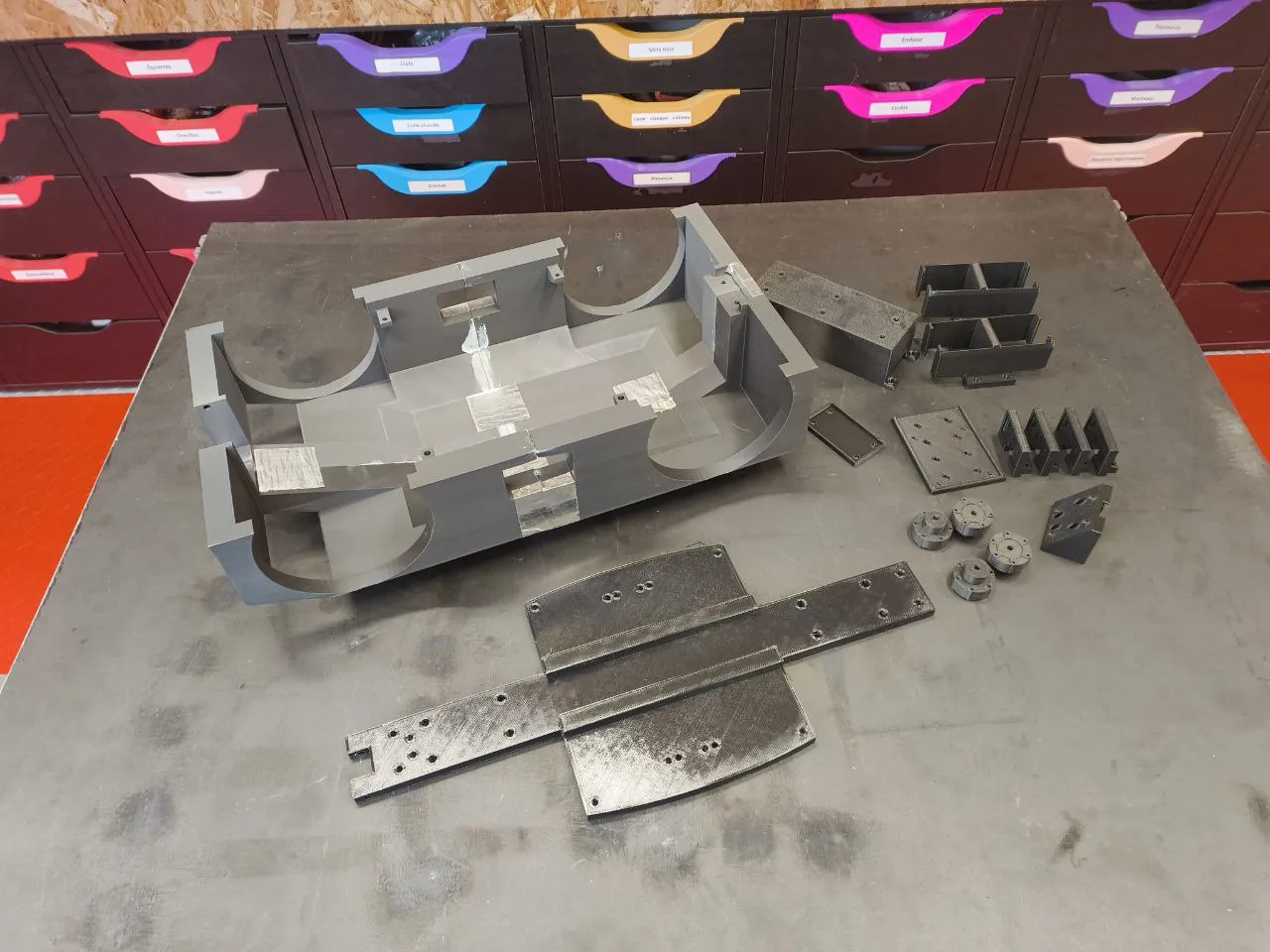
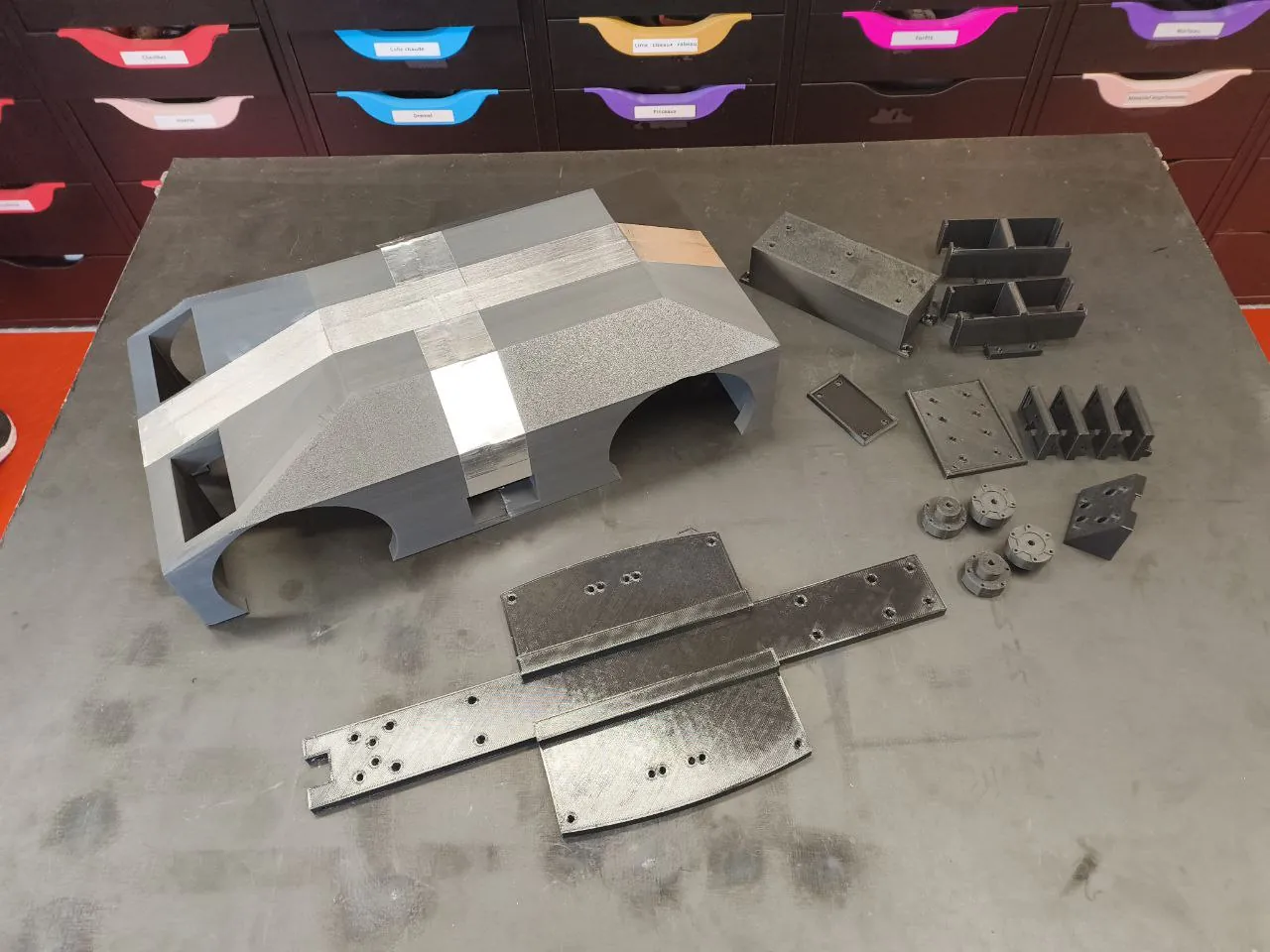
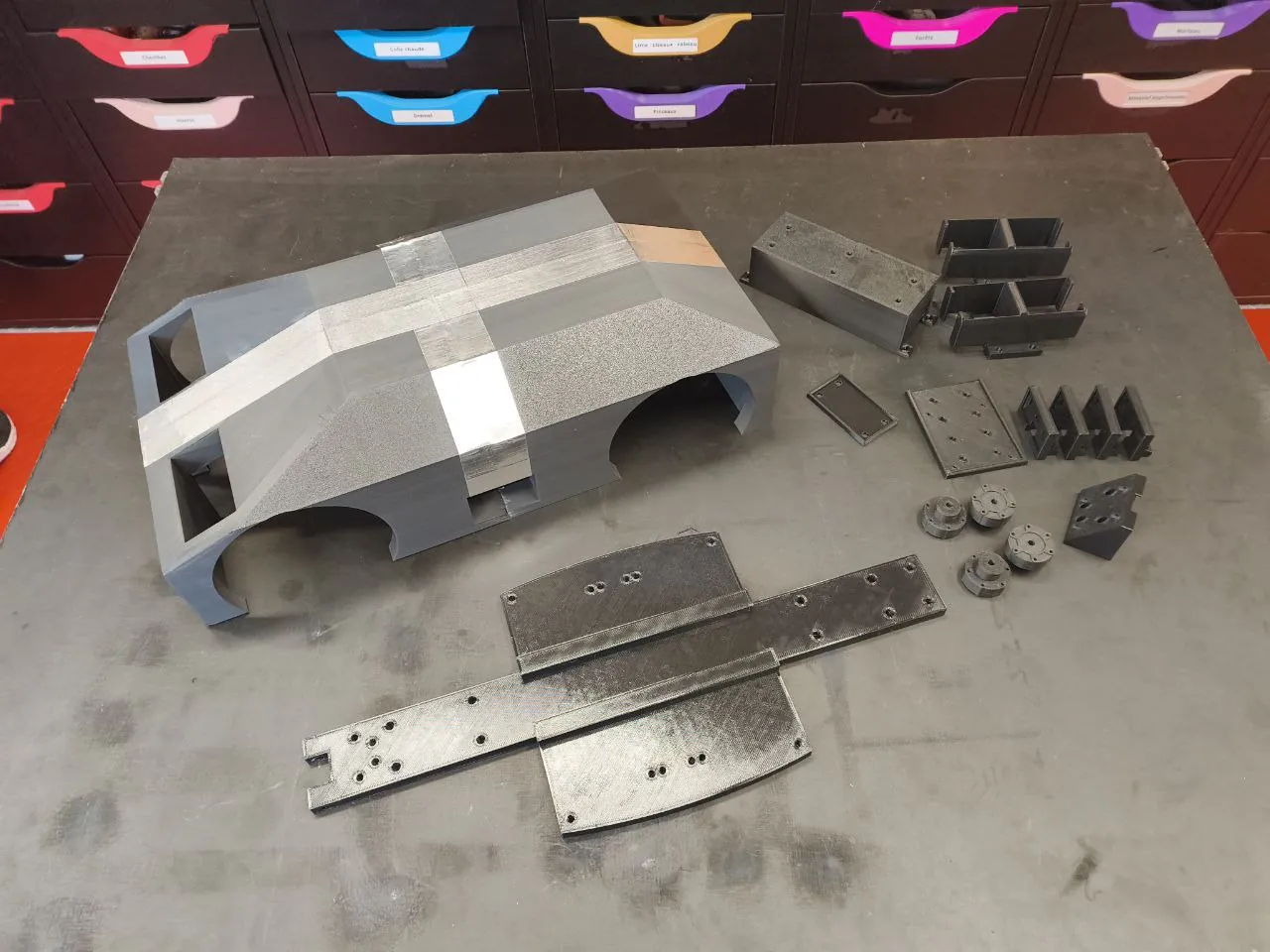
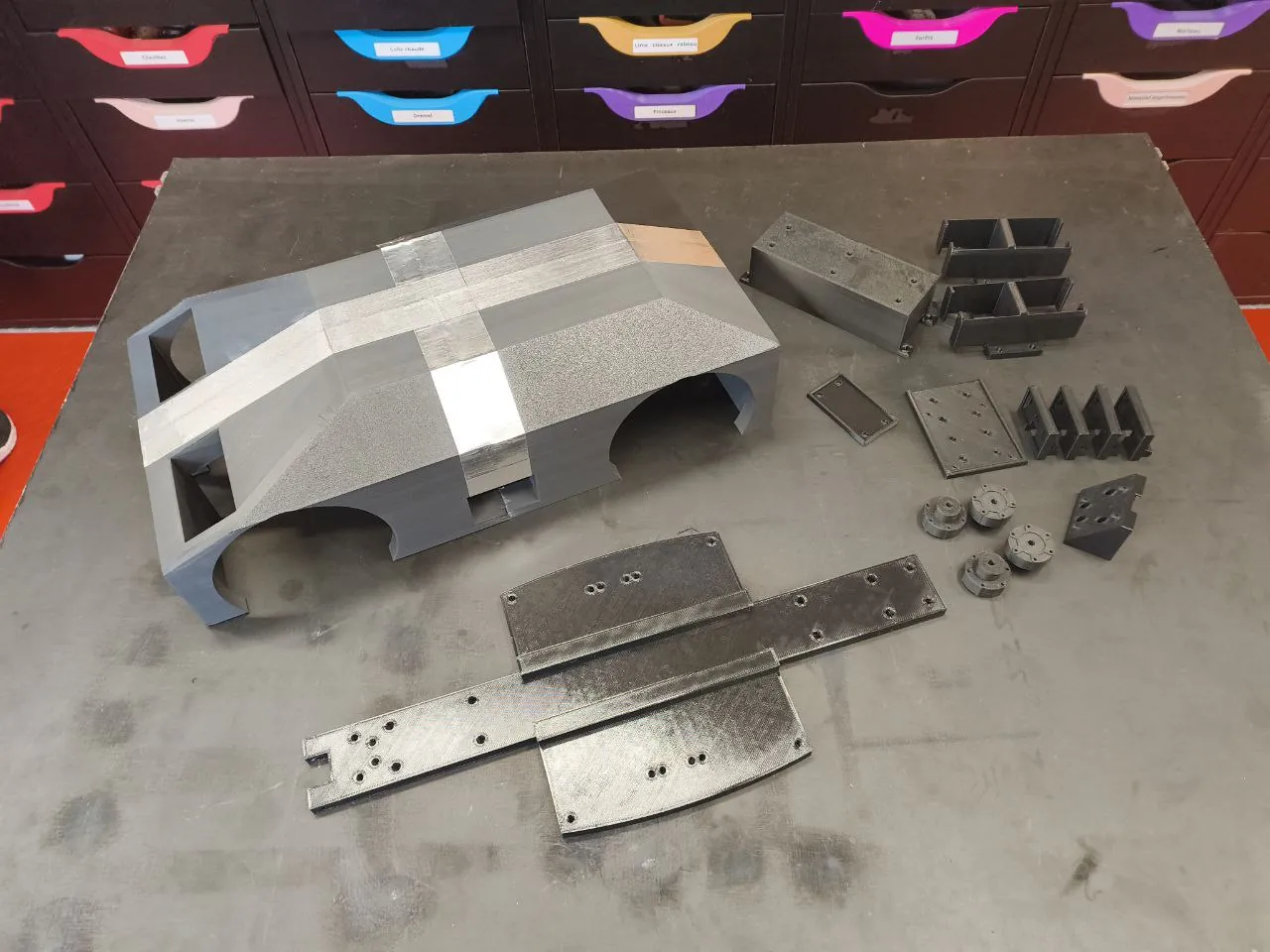
About 50 cm long, their vehicle required two major assemblies to be produced with 3D printing:

  • the chassis;
  • the body.

The students already had their 3D models. Our role was to support them in moving from this digital design to a car that could actually be built, within a deadline set by the date of the competition.
Student remote-control car: producing parts with 3D printing — Building a racing car
2

Need — Making the model producible

The first models could not be sent straight to print.

In particular, their dimensions exceeded the volumes available on our machines. The design also had to take into account the installation of the various electrical and electronic components needed for the car to work.

A significant phase of discussion therefore preceded production, to help the students develop their design themselves.

The main constraints were:

  • the dimensions of the parts;
  • impact resistance;
  • the weight of the car;
  • the integration of the various components;
  • the assembly of the printed elements;
  • the deadline before the competition.
Student remote-control car: producing parts with 3D printing — Making the model producible
3

Our objective — Supporting and adapting

The goal was not simply to take the files and print them.

We supported the students so that they could adapt their own design to the realities of manufacturing and keep control of their project.

Our work therefore covered:

  • feasibility analysis;
  • discussions about the necessary changes;
  • splitting the large parts;
  • preparing the assemblies;
  • integrating the electrical and electronic components;
  • choosing the material;
  • production and monitoring of the prints.

The time available also called for great responsiveness so that every difficulty could be dealt with without jeopardising participation in the race.

Student remote-control car: producing parts with 3D printing — Supporting and adapting

Our response

1

Preparing production

Before starting the machines, we discussed their models with the students in order to identify the points to rework.

In particular, we gave them recommendations to plan the position and installation of the various electrical and electronic components correctly.

This phase allowed them to develop their files taking into account constraints that sometimes only appear when moving from a digital model to a physical object.

Upstream support was thus an essential part of the project.

Student remote-control car: producing parts with 3D printing — Preparing production
2

Adapting the large parts

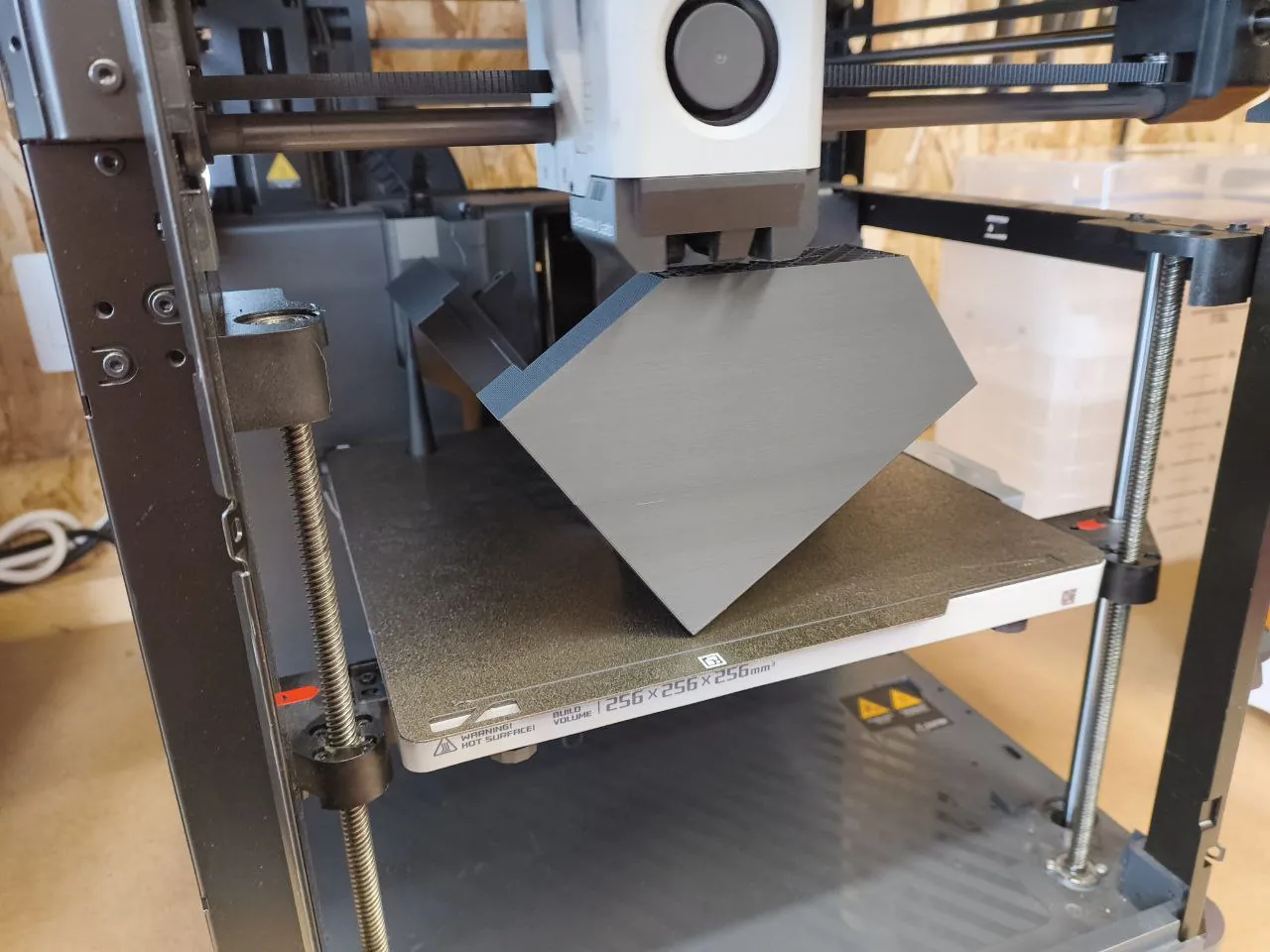
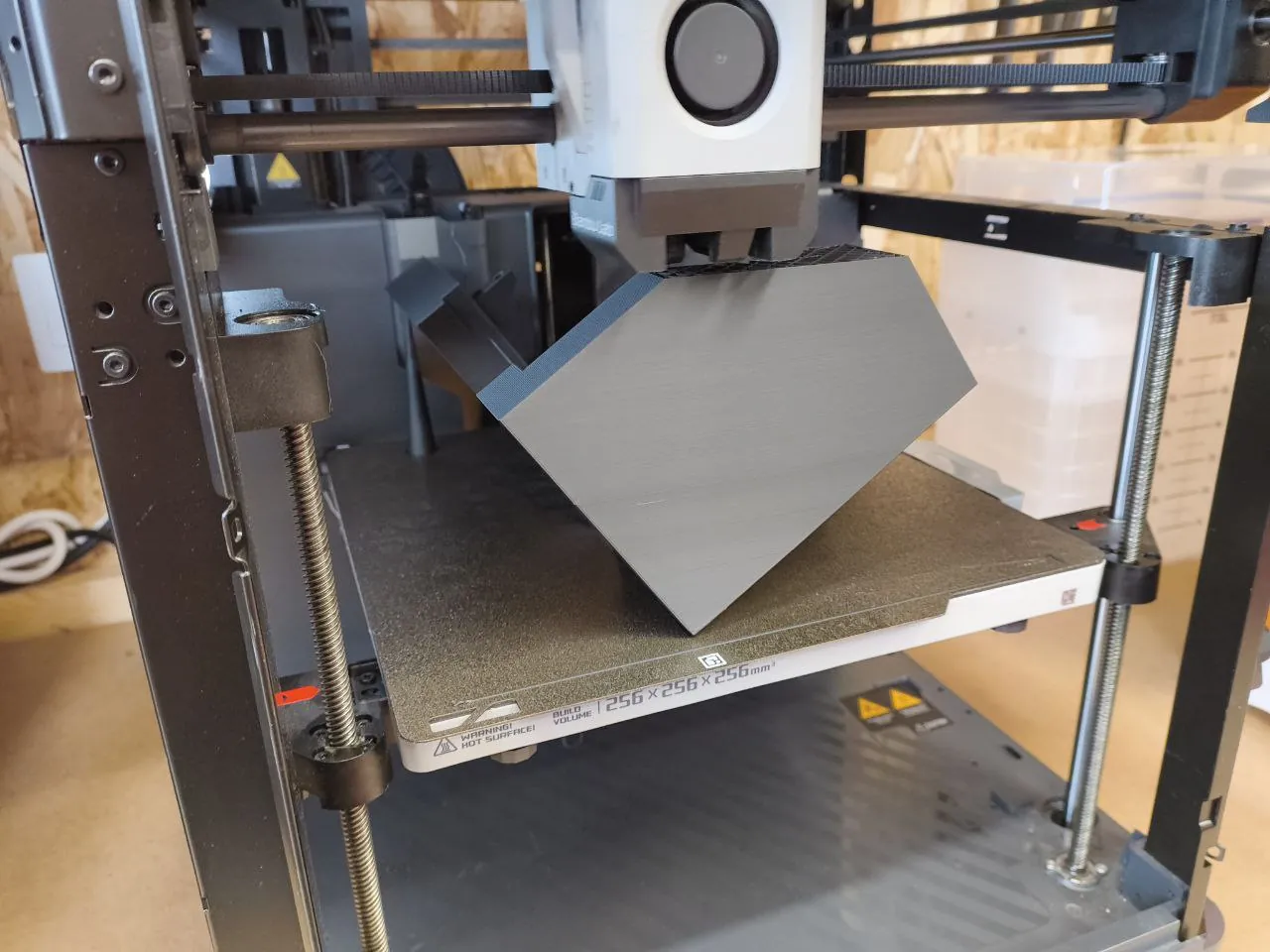
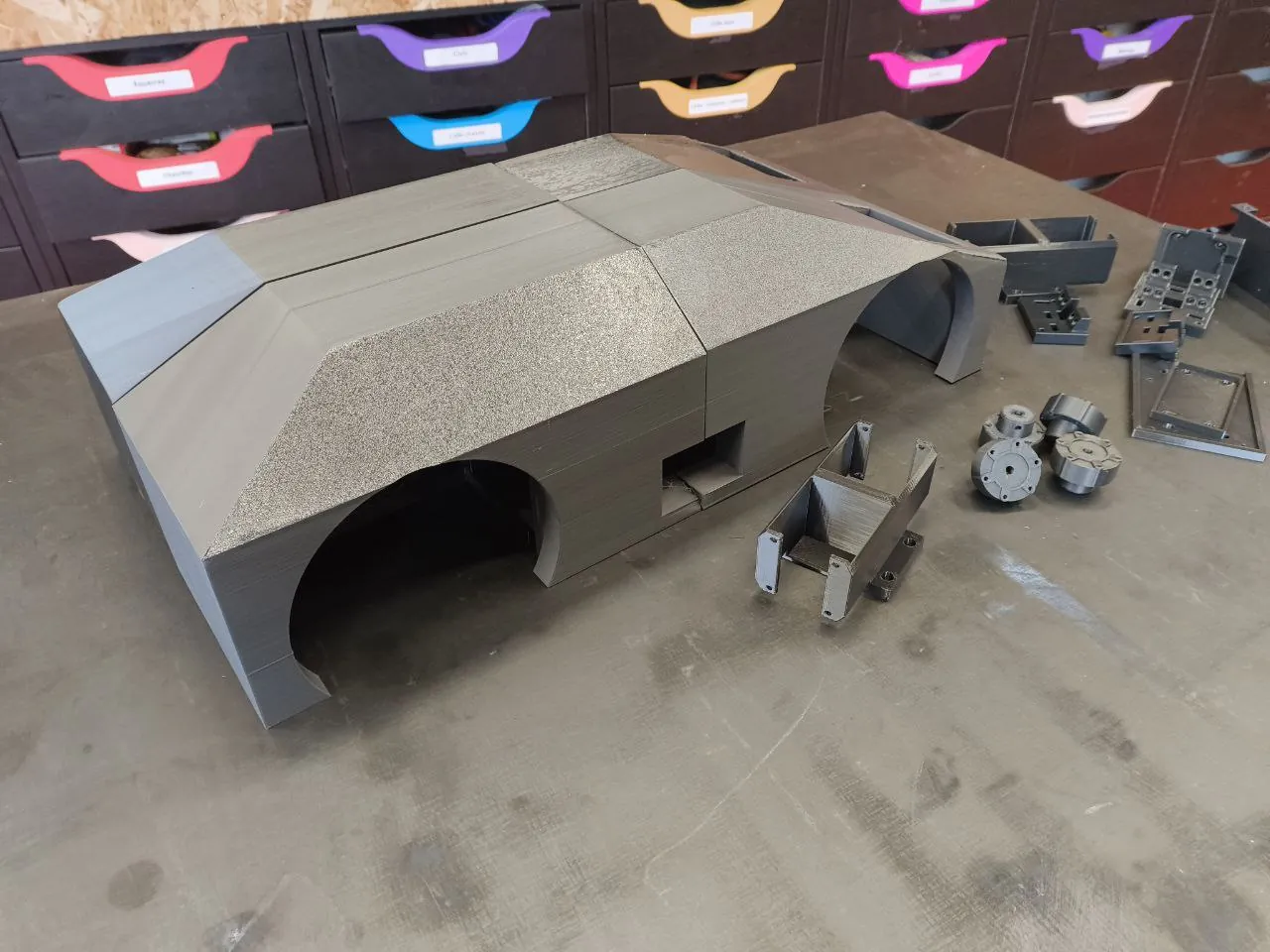
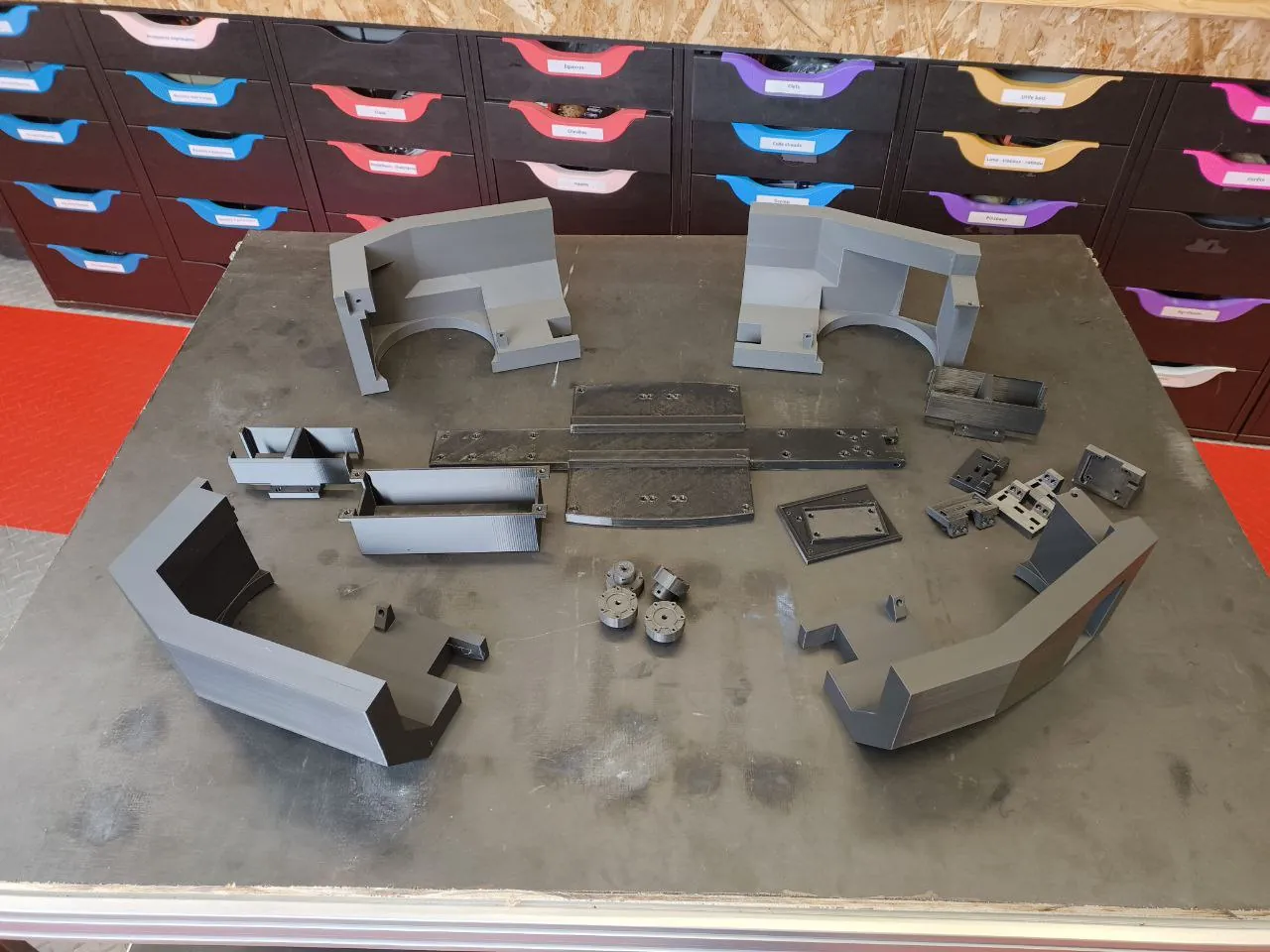
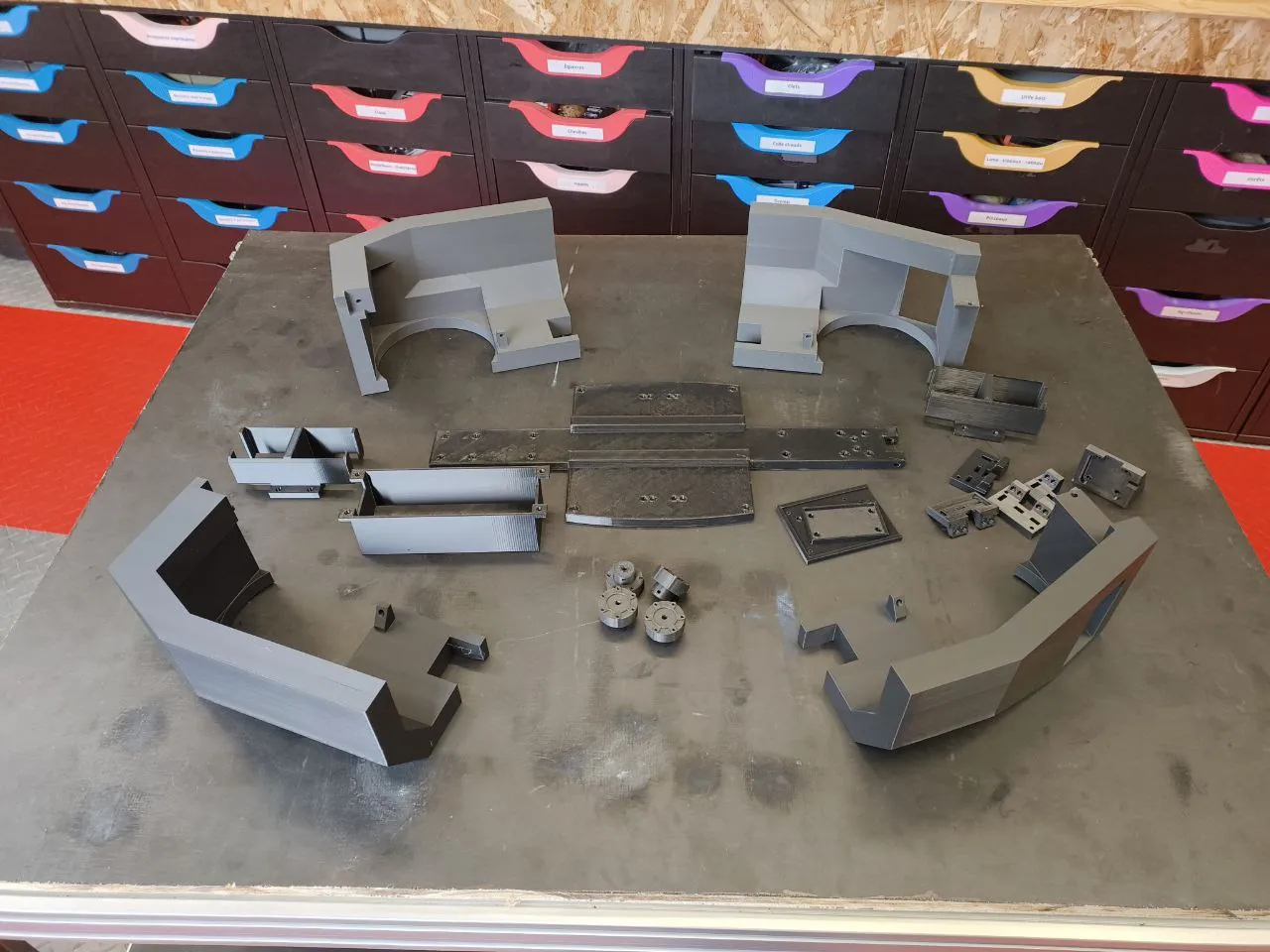
With a car about 50 cm long, some parts were too large to be produced in a single print.

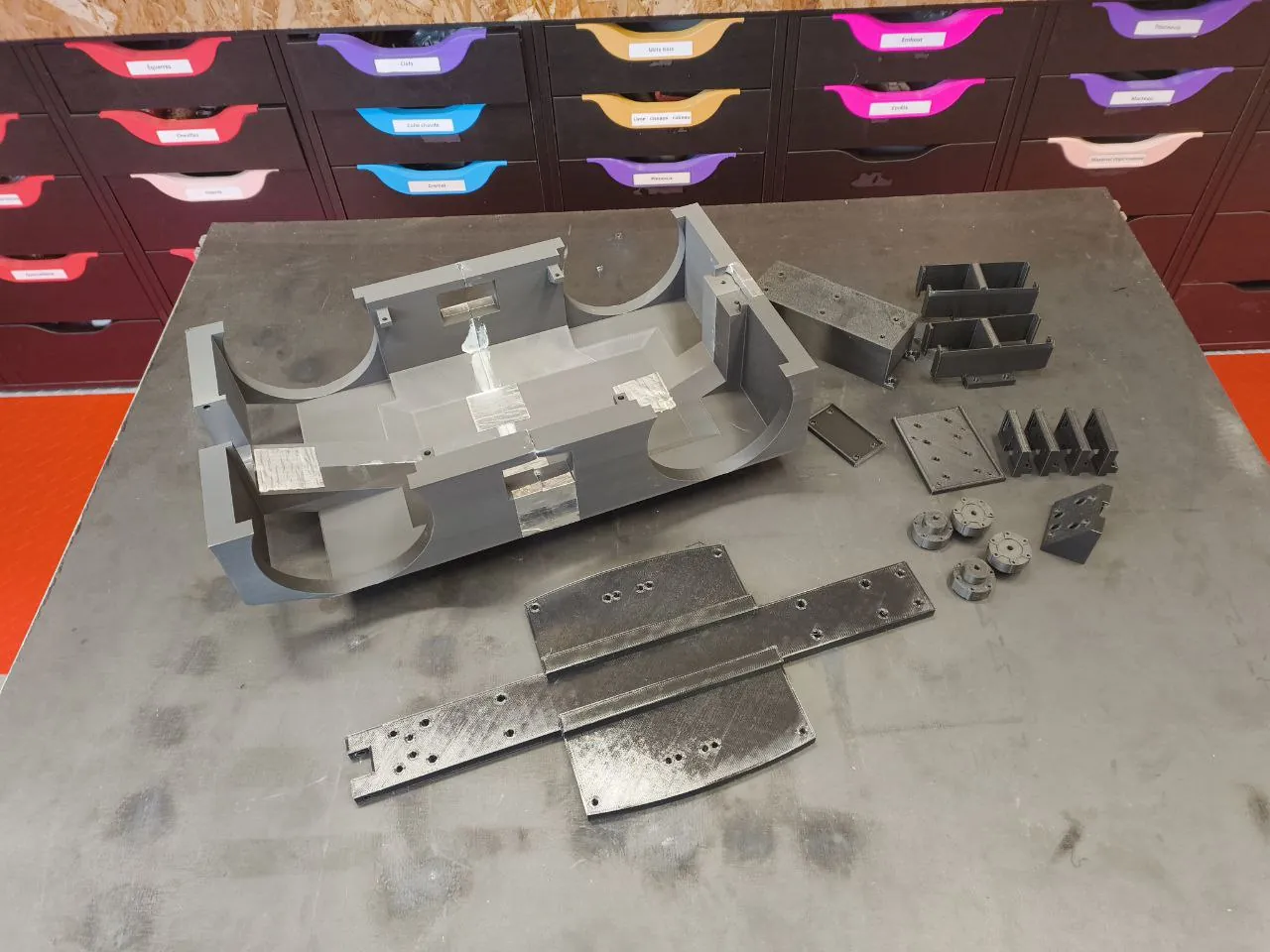
We therefore prepared a split into several elements, anticipating their assembly after production.

PETG was chosen for the chassis and the body. Here it offered an interesting compromise between:

  • mechanical and impact resistance;
  • weight control;
  • good print quality.

The split made it possible to go beyond the dimensional limits of the machines, but moved part of the difficulty to another stage: achieving an assembly precise and strong enough for a car meant to be driven.

Student remote-control car: producing parts with 3D printing — Adapting the large parts
3

Printing and assembling

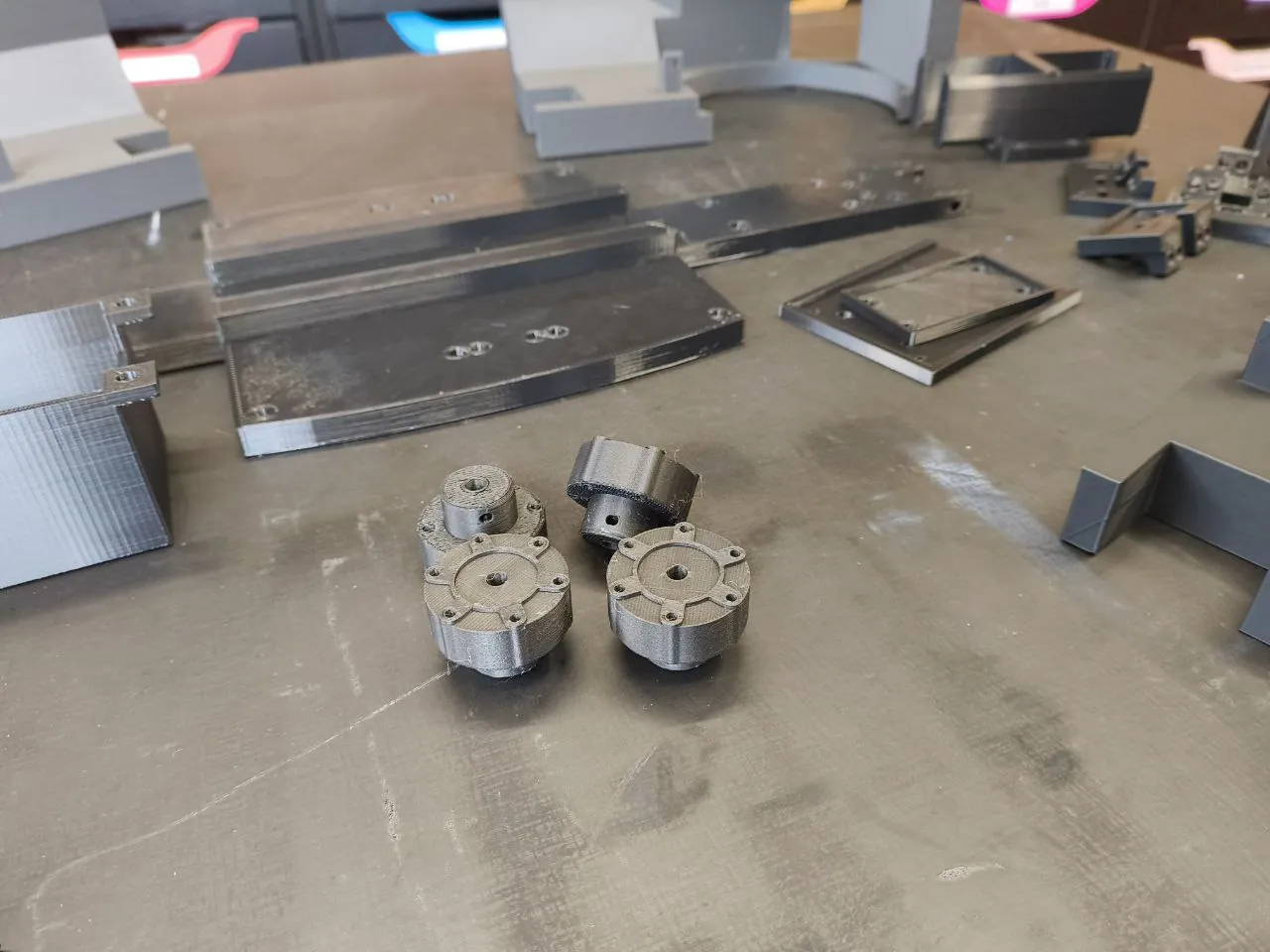
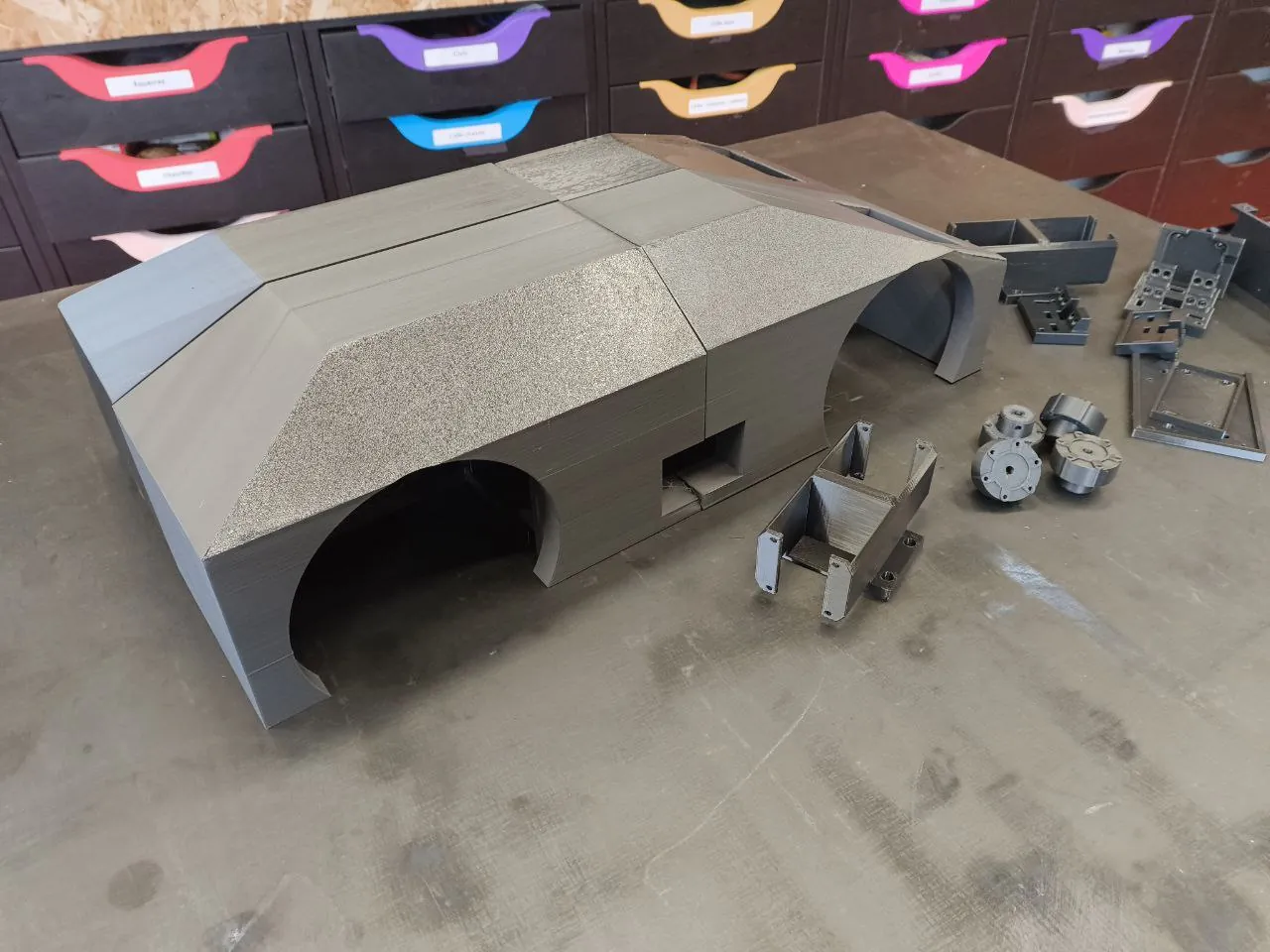
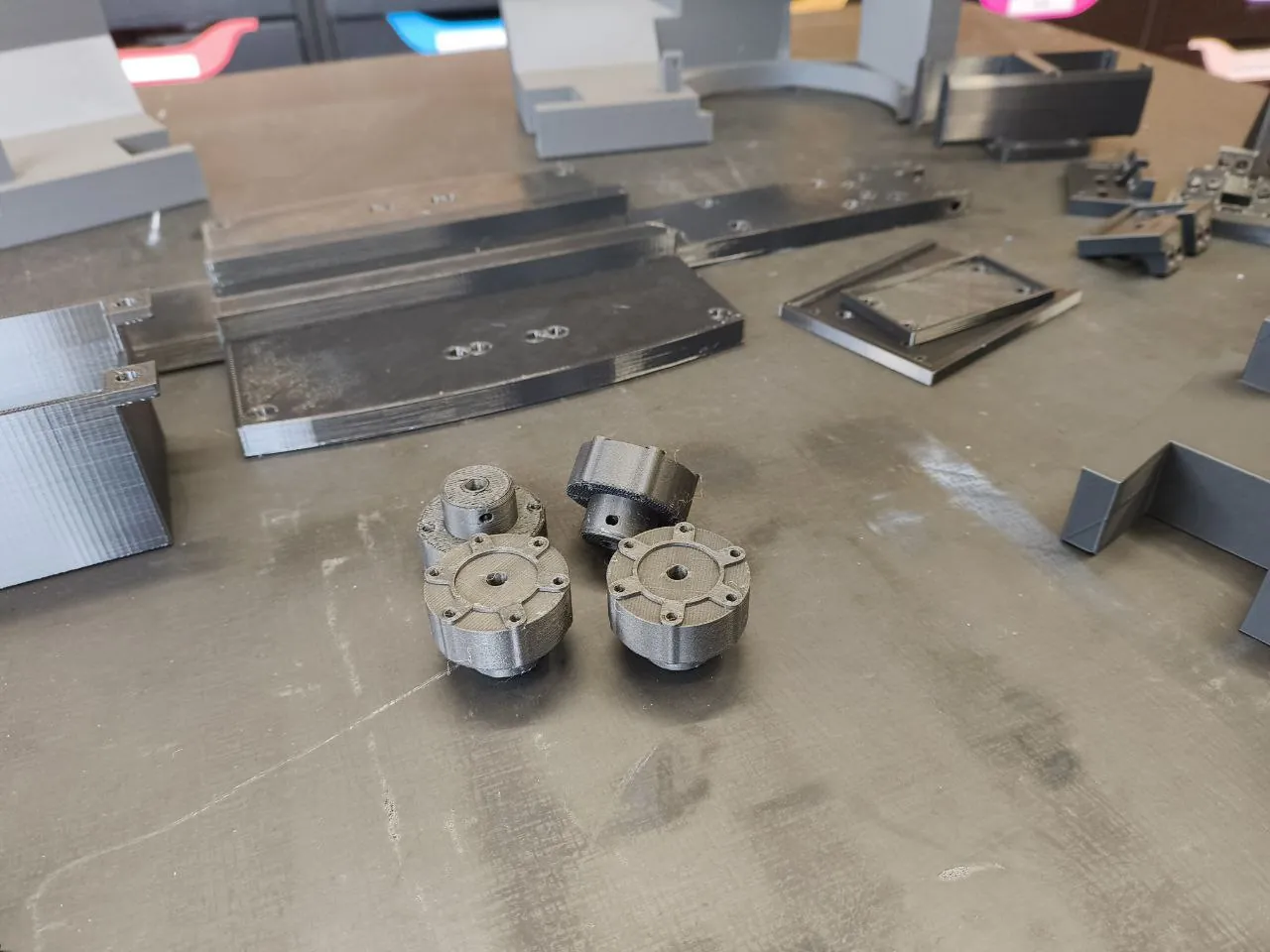
Once the models had been adapted, around ten parts were produced by FDM 3D printing to make up the car.

Assembling the various elements proved particularly demanding. The monitoring of the prints and the necessary adjustments were therefore carried out with particular care, while keeping the date of the competition as a constraint.

At the end of this phase, the students had the elements they needed to finish their vehicle and take the start of the race with their car.

Student remote-control car: producing parts with 3D printing — Printing and assembling
Conclusion

Supporting them all the way to the race

This project illustrates an important dimension of our work with students: 3D printing often comes only at the end of much broader support.

Analysing a model, identifying what will prevent it from being produced, suggesting improvements and then letting the students develop their own design allows them to remain fully in charge of their project.

Here, our responsiveness, our advice and our ability to adapt made it possible to go from a model too large for our machines to a set of around ten printed and assembled parts, all the way to allowing the car to take part in the competition.

Supporting this kind of project means putting our manufacturing resources and experience at the service of students' ideas, while confronting them with the concrete constraints that turn a design into a working object.

In pictures

The project in pictures

Student remote-control car: producing parts with 3D printing — photo 1
Student remote-control car: producing parts with 3D printing — photo 2
Student remote-control car: producing parts with 3D printing — photo 3
Student remote-control car: producing parts with 3D printing — photo 4
Student remote-control car: producing parts with 3D printing — photo 5
Student remote-control car: producing parts with 3D printing — photo 6

A similar project to bring to life?

Tell us about your need — we'll get back to you with a recommendation and a quote.

Request a quote